
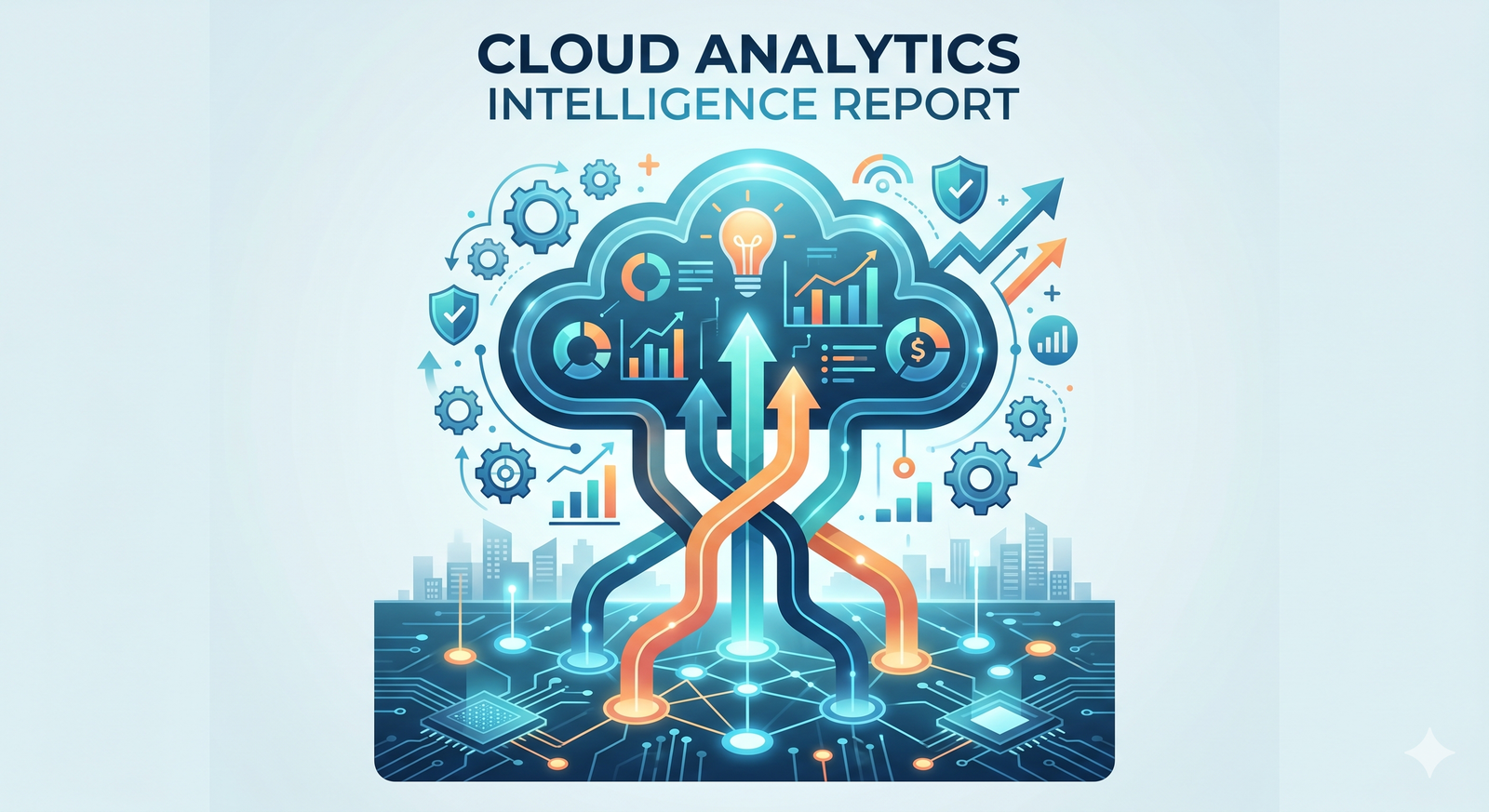
Cloud analytics has evolved from basic infrastructure hosting into a strategic platform for enterprise-scale data warehousing, AI, and advanced analytics.
As cloud-first mandates expand over the next 3–5 years, organizations are prioritizing scalable analytics environments that support growth and agility.
High-performing cloud analytics environments combine workload flexibility, security, advanced technologies, and expert support to deliver measurable business outcomes.
For CIOs, CTOs, and data leaders, cloud analytics strategy directly impacts operational efficiency, customer intelligence, and long-term digital transformation initiatives.
- Evaluate workload-specific cloud analytics platforms
- Strengthen security and compliance controls
- Enable scalable data warehousing and AI initiatives
- Leverage expert services for faster deployment
- Support hybrid and multi-platform analytics environments
Organizations aligning cloud infrastructure with analytics objectives are better positioned to drive innovation, reduce costs, and respond faster to market changes.
✔ Platform evaluation framework
✔ Security and compliance insights
✔ Cloud analytics adoption roadmap
✔ Strategic performance recommendations