Cloud strategy has shifted from experimentation to enterprise-wide execution, with more organizations running core workloads across public and private environments.
As budgets rise and dependency increases, IT leaders are prioritizing governance, cost discipline, and continuity across interconnected platforms.
66% of surveyed organizations already operate hybrid environments, while more workloads, storage, and infrastructure continue moving to cloud platforms.
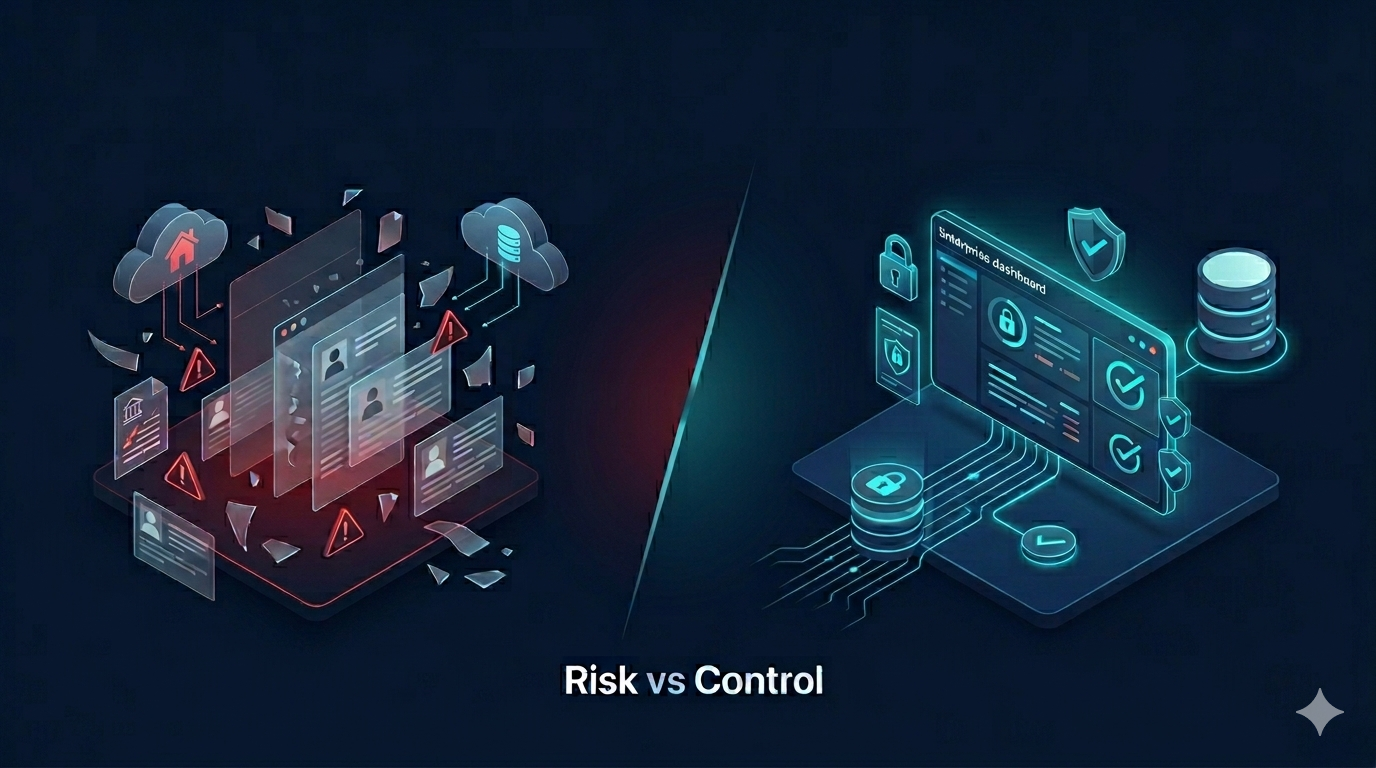
Growing dependence on AWS, Azure, and other providers increases concentration risk. A single provider issue can cascade through vendors, supply chains, and internal business systems.
- Diversify workloads across providers and regions
- Build cloud outage incident response plans
- Automate cost governance and usage controls
- Strengthen data privacy and residency policies
For CIOs, CTOs, and infrastructure leaders, future advantage will depend on resilient architecture, visibility, and faster governance decisions.
✔ Multi-cloud risk analysis
✔ Outage impact assessment
✔ Cost and governance insights
✔ Strategic architecture recommendations